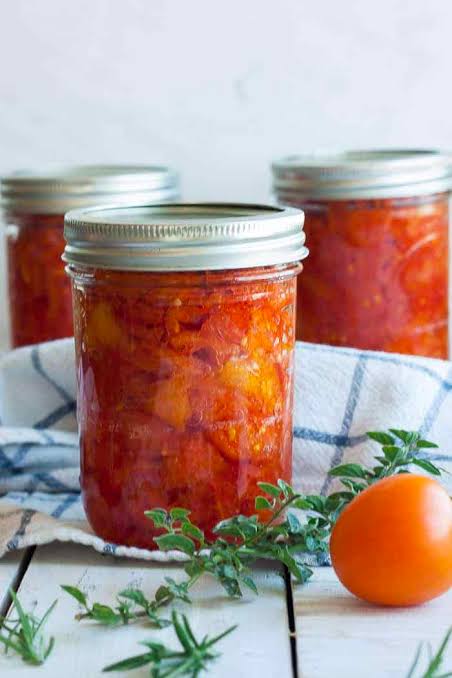
Home canning is one of the most rewarding kitchen traditions you can ever learn, and stewed tomatoes are easily one of the best recipes to start with. This recipe is all about taking fresh, ripe summer tomatoes and preserving them at their absolute peak of flavor so you can enjoy them all year long. When you make your own canned stewed tomatoes, you are creating a versatile, rich, and delicious base for countless future meals. Unlike standard plain diced tomatoes, stewed tomatoes are simmered slowly with fresh vegetables like bell peppers, onions, celery, and subtle seasonings before they go into the jars. This gentle cooking process allows all the vibrant flavors to blend together into a warm, savory mixture that tastes completely different from store bought alternatives. Learning this classic method gives you full control over what goes into your food, ensuring that your pantry is stocked with pure, wholesome, and deeply comforting ingredients that bring life to your dinner table whenever you open a jar.
People absolutely love this recipe because it captures the authentic, sunny taste of summer gardens in a way that commercial products simply cannot match. Store bought canned tomatoes often rely on heavy sodium, artificial preservatives, or added chemicals to maintain their shelf life, which can flatten their overall flavor and leave a metallic aftertaste. Home canned stewed tomatoes, on the other hand, shine bright with real herbs, fresh garden vegetables, and natural tomato sweetness. Home cooks love how convenient these jars are on busy weeknights because half of the cooking work is already done for you. You can pop open a jar and instantly have a flavorful starting point for homemade pasta sauces, rich beef stews, heart warming chili recipes, or cozy rice dishes. Beyond the amazing taste, there is immense satisfaction in looking at a pantry shelf lined with beautiful glass jars filled with colorful, hand crafted food that you cooked yourself from scratch.
Making stewed tomatoes is often an emotional journey that connects us to simple living, family traditions, and traditional kitchen skills. Many people choose to make this recipe late in the summer when tomato vines are bursting with more fruit than can be eaten fresh, turning a massive garden harvest into a long lasting food supply. It brings a deep sense of pride and comfort to feed your family homemade food that contains zero mystery additives, excessive salt, or hidden sugars. From a wellness perspective, stewed tomatoes are packed with nutrients, antioxidants, and dietary fiber, making them an incredible addition to a balanced, heart healthy diet. Cooking tomatoes actually unlocks higher levels of lycopene, a powerful compound known for supporting body health. Whether you are preserving an overwhelming garden yield, cutting down your grocery bill, or simply seeking healthier meals, preparing this classic recipe satisfies your body, your palate, and your spirit all at once.
The process of canning stewed tomatoes also creates a wonderful sensory experience right inside your home kitchen. As the pot simmers on the stove, your house fills with the incredible aroma of sweet onions, crisp green peppers, earthy celery, and rich ripe tomatoes working together in perfect harmony. It creates an inviting atmosphere that makes cooking feel like a creative act of love rather than a daily chore. Opening a jar during the middle of cold winter months brings back immediate memories of warm summer days and outdoor gardens. It is a wonderful skill to share with children or grandchildren, teaching them where real food comes from and how simple raw ingredients can transform into something delicious. Taking the time to wash, peel, simmer, and preserve your own tomatoes connects you to generations of home cooks who valued real ingredients, patient preparation, and true self sufficiency.
Ingredients You Will Need
-
12 pounds ripe tomatoes, washed and peeled
-
1 cup sweet yellow onion, finely diced
-
1 cup green bell pepper, finely chopped
-
1 cup fresh celery, finely chopped
-
2 tablespoons granulated sugar
-
2 teaspoons sea salt
-
1/2 cup fresh lemon juice or bottled lemon juice
-
1/4 cup olive oil
-
1 teaspoon dried oregano
-
1 teaspoon dried basil
-
1/2 teaspoon black pepper
Step by Step Method
Preparing the Tomatoes
Start by bringing a large pot of plain water to a rolling boil over high heat. At the same time, fill a large mixing bowl with ice cubes and cold water to create an ice bath. Take each tomato and cut a small cross shape on the very bottom skin using a sharp knife. Gently drop five or six tomatoes into the boiling water at a time. Leave them in the boiling water for about 30 to 60 seconds until you see the skins start to crack. Quickly scoop them out with a slotted spoon and plunge them straight into the bowl of ice water. This sudden cooling stops the cooking process and loosens the skins. Once the tomatoes cool down enough to handle safely, peel off the outer skins using your fingers. Cut out the hard stem core from each tomato, then chop the remaining tomato flesh into thick bite size chunks. Place all your prepared tomato pieces into a huge rimmed bowl to catch all the natural juices.
Cooking the Vegetable Base
Place a very large stockpot over medium heat on your stove. Add the olive oil and allow it to warm up for one minute. Dump in your diced yellow onions, chopped green bell peppers, and chopped fresh celery. Stir the vegetables thoroughly so they are coated in the warm olive oil. Cook these aromatic vegetables for roughly six to eight minutes, stirring frequently with a wooden spoon so nothing burns or sticks to the bottom of the pot. You want the vegetables to turn soft, clear, and fragrant without turning brown.
Simmering the Stewed Tomato Mixture
Dump all of your chopped tomatoes along with all their natural juices into the stockpot with the soft vegetables. Stir everything together gently until fully mixed. Add the granulated sugar, sea salt, dried oregano, dried basil, and black pepper. Bring the entire pot to a gentle boil over medium high heat, stirring continuously so the bottom heat distributes evenly. Once it reaches a boil, turn down the heat to low so the mixture simmers gently. Let it simmer uncovered for about twenty minutes. The tomatoes will break down slightly and release extra liquid, and all the flavors will meld together into a rich, fragrant sauce.
Preparing Your Canning Jars
While your stewed tomatoes are simmering on the stove, wash your glass canning jars, new lids, and screw bands in hot soapy water. Rinse them thoroughly with clear water. Place your clean jars inside a large boiling water bath canner filled with warm water, ensuring the jars are fully submerged. Turn the heat to medium and bring the water to a warm simmer so the jars stay hot. Keeping the jars warm prevents them from cracking when you pour hot tomato sauce into them later. Place your clean flat lids in a small bowl of warm water to soften the rubber sealing rings.
Filling the Jars
Carefully remove one hot glass jar from the hot water using jar tongs, letting excess water drain back into the pot. Place your canning funnel on top of the jar opening. Before adding the tomato mixture, add one tablespoon of lemon juice directly into the bottom of the jar if using pint jars, or two tablespoons if using quart jars. This step is essential because it guarantees the proper acid levels needed for safe home canning. Scoop the hot stewed tomatoes into the jar using a large soup ladle. Leave about one inch of empty space at the very top of the jar, which is known as headspace.
Removing Air Bubbles and Sealing
Slide a clean plastic bubble remover tool or a thin silicone spatula down into the inside walls of the jar. Move it gently around the edges to release any trapped air bubbles hidden inside the tomatoes. Check the headspace again after releasing air, adding a tiny bit more tomato mixture if necessary to keep that precise one inch space. Take a damp, clean paper towel and wipe the top glass rim of the jar thoroughly. Any tiny drop of sauce or seed left on the rim can prevent a tight air seal. Place a warm flat lid directly over the center of the jar rim. Screw the metal band over the lid until it is finger tip tight, which means turning it just until you feel resistance without forcing it super hard.
Processing the Jars in the Water Canner
Lower the filled, sealed jars carefully into your water bath canner using your jar tongs. Make sure the hot water covers the tops of the jars by at least one to two inches. Put the lid on the big canner pot and turn the heat up high. Wait until the water reaches a vigorous, rolling boil. Start your timer once the water is boiling rapidly. Process pint jars for forty minutes, or quart jars for forty five minutes, keeping the pot covered the entire time. If the water level drops low, top it up with boiling water from a kettle.
Cooling and Testing the Seal
When your processing time is finished, turn off the heat completely and remove the lid from the big canner pot. Let the jars rest inside the hot water for five minutes to stabilize. Use your jar tongs to lift each jar straight up out of the pot without tilting them. Set the hot jars carefully onto a thick kitchen towel laid flat on your counter, leaving a couple inches of space between jars so air can circulate. Allow the jars to sit totally undisturbed for twenty four hours at room temperature. As the jars cool down, you will hear satisfying popping sounds, which means the vacuum seals are forming. After twenty four hours, press down on the middle of each metal lid with your finger. If the lid stays flat and does not flex up or down, your jar is properly sealed. Remove the screw bands, clean the outside of the jars, label them with the recipe name and date, and store them in a cool, dark, dry pantry.
Why This Recipe Is Special
This homemade stewed tomato recipe stands out because it blends incredible flavor with fantastic nutritional advantages. By combining garden fresh tomatoes with aromatic vegetables like onions, celery, and peppers, you build a complex layer of taste that simple plain tomatoes just cannot match. Every ingredient plays an important role. The natural sweetness of the onion balances the bright bite of the tomato acid, while green peppers add a lovely fresh depth. Cooking these ingredients together allows the rich flavors to infuse deeply into every spoonful, giving your future meals a restaurant quality foundation right out of the jar.
From a health standpoint, stewed tomatoes are a nutrition powerhouse for your body. Tomatoes are naturally packed with Vitamin C, Potassium, and Vitamin K. When tomatoes are cooked slowly, your body is able to absorb their natural lycopene much more effectively than from raw tomatoes. Lycopene is an important antioxidant that supports heart function, helps defend your cells against daily stress, and encourages overall body health. Using fresh ingredients gives you complete control over the total salt content, allowing you to create a low sodium preserved food that supports clean eating without giving up any flavor.
This recipe is also incredibly friendly for your kitchen budget. Purchasing fresh tomatoes in bulk during the peak summer harvest season is extremely affordable, especially if you grow them in your own garden or buy them at local farm stands. By preserving your own stock of stewed tomatoes, you eliminate food waste and reduce your reliance on store bought pre packaged canned goods that often contain hidden additives, processed starches, or artificial preservatives. Having these jars sitting on your shelf means you always have a quick, healthy, and high quality base ready for soups, sauces, casseroles, and rice dishes, saving you both time and money every week.
Extra Tips for Better Taste
-
Use paste tomatoes like Roma or San Marzano because they contain thick flesh, fewer seeds, and less water, resulting in a rich and dense stewed texture.
-
Roasting your peppers and onions in a hot oven for fifteen minutes before simmer time adds a subtle, delicious smoky flavor layer to the finished sauce.
-
Always use bottled lemon juice instead of fresh lemon juice for acidifying jars because bottled versions maintain a standardized acidity level necessary for safe canning.
-
Add fresh chopped herbs like parsley or thyme right before filling your jars to create a vibrant herbal aroma when you open them months later.
-
Chop your vegetables into very small uniform pieces so that every single bite offers an even mix of tomatoes, peppers, celery, and onions.
-
If your tomatoes taste overly tart due to weather conditions, adjust the sweetness slightly by adding a tiny touch extra sugar during the simmering stage.
-
Do not alter the ratio of low acid vegetables like onions and peppers to high acid tomatoes, as maintaining correct balances guarantees safety in water bath canning.
-
Keep your filled jars in a cool, dark location away from direct sunlight to preserve the brilliant red color and fresh taste for up to a full year.
Final Thoughts
Canning your own stewed tomatoes is a wonderful kitchen project that brings warmth, flavor, and incredible satisfaction into your everyday cooking routine. There is nothing quite like opening a fresh jar of summer tomatoes during a chilly evening and filling your kitchen with wonderful home cooked aromas. This recipe is simple, healthy, and versatile, making it the perfect choice for anyone looking to eat better while building useful kitchen skills. Once you taste the difference between real homemade stewed tomatoes and commercial store bought cans, you will never want to go back. Take your time, enjoy the process, and take pride in filling your pantry with bright, healthy food made completely by hand.
Nutrition Details
| Nutrients | Amount Per Serving | Daily Value Percentage |
| Serving Size | 1 cup (240g) | N/A |
| Total Calories | 85 kcal | 4% |
| Total Fat | 3.5 grams | 4% |
| Saturated Fat | 0.5 grams | 2% |
| Sodium | 420 milligrams | 18% |
| Total Carbohydrates | 13 grams | 5% |
| Dietary Fiber | 3 grams | 11% |
| Sugars | 8 grams | N/A |
| Protein | 2 grams | 4% |
| Vitamin C | 28 milligrams | 31% |
| Vitamin A | 1200 IU | 24% |
| Calcium | 35 milligrams | 3% |
| Iron | 1.1 milligrams | 6% |
| Potassium | 450 milligrams | 10% |
Disclaimer
Everyone’s body and health needs are unique, so individual dietary requirements and results will naturally vary. The nutritional values listed above are estimates based on standard raw ingredients and average portion sizes. If you have specific dietary restrictions, health conditions, or high blood pressure concerns, feel free to adjust the added salt content to suit your personal lifestyle. Always follow official home food preservation safety standards, including proper acidification rules, to guarantee safe canned foods at home. Consult with a medical expert or registered dietitian if you need personal dietary guidance.
