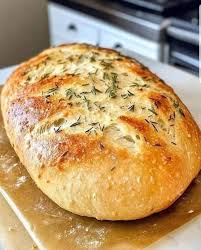
Making homemade bread can feel like a scary task for many people especially when you think about spending hours kneading tough dough on the kitchen counter. However this sourdough no knead garlic bread completely changes the game by eliminating all the hard work while still giving you a loaf that looks like it came straight from an artisanal bakery. This recipe combines the wild depth of fermented sourdough with the rich comforting aroma of roasted garlic and golden butter. By relying on time rather than muscle power the dough develops a beautiful elastic network naturally through a slow fermentation process. You simply mix the basic ingredients together in a single bowl let nature do the heavy lifting over several hours and bake it inside a hot pot. The result is a gorgeous crusty loaf with a open soft interior loaded with buttery garlic goodness in every bite.
People absolute adore this specific recipe because it yields maximum flavor with minimum effort. Traditional bread making demands physical stamina and constant attention but this slow process allows you to go about your day while your dough ferments and builds flavor. The natural sourdough starter gives the bread a subtle tang that perfectly balances the rich savory punch of roasted garlic and rich herbs. Furthermore the no knead technique creates a crispy blistered crust that crackles when you cut into it while keeping the inside amazingly soft and chewy. Beginners love it because it takes away the fear of messing up the kneading technique while experienced bakers appreciate the incredible flavor profile achieved through gentle fermentation. It is the ultimate feel good food that brings the cozy smell of a high end pizzeria right into your standard home kitchen.
There are so many wonderful moments and reasons to make this savory loaf for your family and friends. It is the ultimate comfort food for cozy weekend dinner parties where you want to impress guests without standing over a hot stove for hours. Serving a warm slice of homemade garlic bread alongside a steaming bowl of rich tomato soup or a large bowl of pasta creates an instant cozy memory. From a health perspective traditional sourdough is much easier on the human stomach than regular commercial yeast bread because the natural fermentation breaks down gluten and phytic acid. This means you can enjoy a hearty indulgent slice of delicious garlic bread without feeling bloated or uncomfortably full afterward. Whether you are celebrating a special occasion hosting a casual movie night or just trying to nourish your body with pure real ingredients free from artificial preservatives this loaf fits the bill.
Creating this incredible bread at home allows you to take full control over what goes into your body while learning a valuable kitchen skill. When you bake with simple real ingredients like flour water salt and real garlic you are taking a step away from heavily processed store bought options packed with artificial additives. The smell of garlic roasting in the oven mixed with the earthy scent of baking sourdough creates an uplifting sensory experience that relaxes the mind after a long stressful day. Sharing fresh warm bread with people you care about is one of the oldest human traditions and doing it with a modern effortless technique makes it accessible to anyone with a kitchen. Once you taste the difference between a mass produced garlic baguette and this slow fermented homemade loaf you will never want to go back to store bought versions again.
Ingredients You Will Need
-
Active sourdough starter that is bubbly and ready to use: 100 grams
-
Warm clean water around room temperature: 350 grams
-
Unbleached bread flour or high protein all purpose flour: 500 grams
-
Fine sea salt or kosher salt: 10 grams
-
Fresh garlic cloves with the skins left on: 10 whole cloves
-
Extra virgin olive oil for roasting and drizzling: 2 tablespoons
-
Unsalted butter softened at room temperature: 4 tablespoons
-
Freshly chopped parsley leaves: 2 tablespoons
-
Grated parmesan cheese optional for topping: 2 tablespoons
Step By Step Method
First you need to roast your garlic to create a sweet mellow flavor. Preheat your small toaster oven or main oven to 200 degrees Celsius. Place your ten unpeeled garlic cloves on a square piece of aluminum foil. Drizzle the olive oil over the top of the cloves. Wrap the foil tightly around the garlic to create a sealed packet. Place the packet in the oven and bake for about thirty minutes until the garlic becomes completely soft and golden brown. Set it aside to cool down completely before using.
Next prepare your wet sourdough base. In a large glass or ceramic mixing bowl combine the warm water and your active sourdough starter. Stir them together using a wooden spoon or spatula until the starter dissolves into the water and creates a milky liquid. Add all of the bread flour and fine sea salt into the bowl. Mix everything together thoroughly until all the dry flour disappears and a shaggy wet dough forms. Cover the bowl with a damp cloth and let it rest for thirty minutes to allow the flour to fully absorb the liquid.
Now it is time to add the roasted garlic flavor. Take your cooled roasted garlic cloves and gently squeeze them out of their skins into a small bowl. Mash the soft garlic with a fork until it turns into a smooth paste. Add the softened butter and fresh parsley into the garlic paste and mix well. Uncover your dough bowl and spread the roasted garlic butter mixture over the top of the dough. Gently stretch one side of the dough up toward the ceiling and fold it back over its center. Turn the bowl a quarter turn and repeat this stretch and fold action four times until the garlic butter is folded inside the dough.
Allow the dough to ferment slowly. Cover your bowl securely with plastic wrap or a tight lid. Leave the bowl on your kitchen counter at room temperature for six to eight hours. During this period the natural yeast in your sourdough starter will cause the dough to expand to almost double its original size and fill with airy bubbles. You will notice the dough getting light smooth and dome shaped on top.
Shape your bread loaf gently. Lightly dust your kitchen counter with a little bit of flour. Turn the fermented dough out onto the floured surface carefully so you do not pop all the delicate air bubbles inside. Fold the edges of the dough into the center to form a smooth tight round ball. Flip the ball over so the smooth top side faces upward. Rest the shaped ball on the counter for ten minutes while you prepare a proofing basket or a medium bowl lined with a clean kitchen towel heavily dusted with flour.
Transfer the shaped loaf into your prepared floured basket with the smooth side facing down. Cover the basket loosely with a towel and place it into your refrigerator for twelve to sixteen hours for a cold ferment. This long cold rest enhances the sourdough flavor and makes the dough much easier to score before baking.
Bake your loaf to perfection. Place a large Dutch oven pot with its lid inside your oven. Preheat the oven to 230 degrees Celsius for at least forty five minutes so the pot becomes screaming hot. Take your cold dough out of the fridge and flip it onto a sheet of parchment paper. Use a sharp knife or razor blade to cut a deep slit across the top of the loaf to allow steam to escape. Carefully pull the hot Dutch oven out of the main oven remove the lid and lower the parchment paper with your dough into the hot pot. Sprinkle parmesan cheese on top if desired. Put the lid back on the pot and bake for twenty minutes. Remove the lid lower the temperature to 210 degrees Celsius and bake for another twenty minutes until the crust turns a rich deep mahogany brown. Let the bread cool completely on a wire rack for two hours before slicing.
Why This Recipe Is Special
This recipe stands out because it removes all physical strain while delivering world class bakery quality at home. Traditional bread recipes require rigorous manual kneading to develop gluten structure which deters many busy home cooks. By letting time do the work through long passive fermentation the gluten bonds form naturally resulting in an incredible texture without tiring out your arms or using complex machinery.
From a nutrition standpoint natural sourdough is far superior to standard commercial yeast bread. The long fermentation process allows beneficial wild yeast and lactic acid bacteria to break down complex starches and gluten proteins. This natural process makes the nutrients inside the flour much easier for your body to absorb and digested easily by people who suffer from general wheat sensitivity.
The taste profile of this garlic bread is completely unmatched. Instead of using raw sharp garlic that burns easily in the oven this method uses gentle roasted garlic mixed with butter and fresh herbs inside the dough structure. Every single slice offers a harmonious balance of crispy crust soft chewy interior deep savory roasted garlic notes and a delightful mild sourdough tang.
Extra Tips For Better Taste
-
Use high quality bread flour with a high protein percentage to get a higher rise and an airier crumb structure.
-
Make sure your sourdough starter is fully active and at its peak height before mixing it into your water.
-
Do not cut into the warm loaf immediately after taking it out of the oven because cutting hot bread turns the inside gummy.
-
Add a handful of shredded sharp cheddar cheese or mozzarella inside the dough during the folding step for a cheesy twist.
-
Brush the top crust with extra garlic butter right when it comes out of the hot oven for an extra shiny and flavorful surface.
Final Thoughts
Baking your own sourdough no knead garlic bread is a truly rewarding kitchen journey that brings immense joy with minimal stress. With just a handful of basic whole ingredients a little bit of patience and zero heavy physical labor you can create an artisanal masterpiece that rivals any fancy restaurant. The comforting aroma of fresh baking bread mixed with sweet roasted garlic will fill your house and bring everyone running to the kitchen table. Gather your ingredients follow these simple steps and enjoy the ultimate crisp delicious comforting slice of pure homemade happiness today.
Nutrition Details
| Measurement Type | Values Per Serving | Values Per Full Loaf |
| Total Calories | 210 kcal | 2100 kcal |
| Carbohydrates | 38 grams | 380 grams |
| Protein | 6 grams | 60 grams |
| Total Fat | 4.5 grams | 45 grams |
| Saturated Fat | 2.5 grams | 25 grams |
| Dietary Fiber | 2 grams | 20 grams |
| Sodium | 390 milligrams | 3900 milligrams |
Disclaimer
The nutritional information provided in this article is an estimate intended strictly for educational and informational purposes. Exact dietary numbers will vary depending on the specific ingredient brands measurements and individual baking choices you use at home. Everyone has unique health needs and digestive systems so individual tolerance to ingredients like sourdough starches or garlic may vary. Always consult with a qualified health professional or registered dietitian for specific advice tailored to your personal dietary needs and health conditions.
