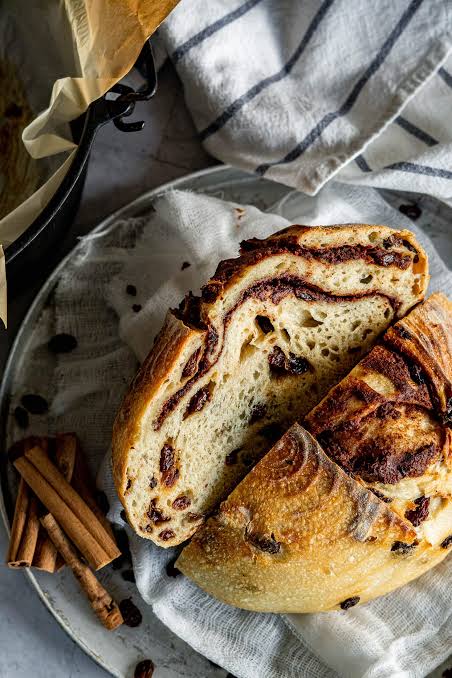
The sourdough cinnamon raisin loaf is one of the most delightful homemade breads you can ever bake in your kitchen. This special bread combines the rich tangy flavor of traditional fermented sourdough with the sweet warm taste of ground cinnamon and juicy raisins. When you slice into a fresh loaf, you immediately see beautiful brown swirls running through the soft white crumb. The crust turns out golden and crispy, while the inside stays tender, airy, and full of natural moisture. Baking this loaf allows you to transform basic ingredients like flour, water, and wild yeast into a bakery quality masterpiece right at home. It brings together centuries old baking traditions with sweet breakfast flavors that everyone in your family will instantly fall in love with. Learning how to make this bread gives you a wonderful skill that you can share with friends, family, and neighbors for years to come.
People absolute adore this loaf because it offers a perfect balance of sweet and savory notes in every single bite. Unlike store bought sweet breads that often rely on artificial flavorings, high fructose corn syrup, and heavy preservatives, this loaf gets its delicious character from natural fermentation and real spices. The natural lactic acid produced by the sourdough starter cuts through the sugary sweet taste of the raisins, preventing the bread from tasting overly sugary or heavy. Every time you take a bite, you get a crispy outer crust, a pillow soft interior, bursts of chewy fruit, and the comforting aroma of cinnamon. It satisfies your sweet cravings in a gentle way while still giving you the comforting feeling of eating warm artisan bread fresh from the oven. The incredible texture and fragrant aroma make it a constant favorite for children and adults alike.
This bread is ideal to bake whenever you want to bring warmth, comfort, and happiness into your home. It makes your entire house smell like a cozy bakery on a cool weekend morning, filling every room with an inviting spice fragrance. You can serve it toasted with a generous spread of creamy butter for breakfast, use it to make rich French toast on Sunday mornings, or enjoy a slice as an afternoon snack with a hot cup of coffee or tea. From a health and fitness perspective, sourdough is far easier on your stomach than standard quick bread made with commercial yeast. The long fermentation process breaks down gluten and phytic acid, making it a great choice for people who want clean, natural, whole food ingredients in their daily diet. It nourishes your body while treating your taste buds to pure delight.
Preparing this wonderful loaf is also an incredibly relaxing and rewarding weekend project that helps you slow down and enjoy the process of cooking. The rhythmic kneading, the patient waiting while the dough rises, and the exciting moment when you open the hot baking pot all bring a deep sense of creative accomplishment. It turns simple kitchen time into a peaceful mindfulness practice where you can step away from screens and busy daily routines. Sharing a freshly baked loaf with loved ones creates instant warm memories around the kitchen table. Whether you are celebrating a special holiday breakfast or simply preparing your weekly breakfast toast, this recipe adds magic to your routine. Once you experience the joy of baking your own loaf from scratch, it quickly becomes a cherished favorite in your regular meal rotation.
Ingredients You Will Need
-
Active sourdough starter (fed and bubbly): 100 grams
-
Bread flour (unbleached white flour): 450 grams
-
Warm filtered water: 300 grams
-
Fine sea salt or table salt: 10 grams
-
Seedless raisins (dark or golden): 120 grams
-
Ground cinnamon powder: 8 grams (about two teaspoons)
-
Brown sugar or coconut sugar: 30 grams (about two tablespoons)
-
Pure vanilla extract: 5 milliliters (about one teaspoon)
Step by Step Method
Step 1: Soak the Raisins
Place your raisins in a small bowl and cover them completely with warm water. Let them sit for twenty minutes to plump up and become juicy. Soaking prevents the dried raisins from sucking moisture out of your dough later on. After twenty minutes, drain the water thoroughly and dry the raisins gently with a paper towel.
Step 2: Mix the Wet and Dry Ingredients
In a large mixing bowl, combine the active sourdough starter and warm water. Stir them together with a spatula or your fingers until the starter dissolves into a milky liquid. Add the bread flour to the bowl and mix until all dry spots disappear. Cover the bowl with a damp towel and let it rest for thirty minutes. This rest period is called autolyse, and it helps the flour absorb water evenly.
Step 3: Add Salt and Build Dough Strength
Sprinkle the fine sea salt over the dough. Gently stretch one side of the dough up toward the ceiling and fold it over the top toward the center. Rotate the bowl a quarter turn and repeat this stretch and fold action. Continue around the bowl four or five times until the salt is fully mixed in and the dough feels smoother.
Step 4: Perform Stretch and Folds
Over the next two hours, perform three more sets of stretches and folds every thirty minutes. To do this, wet your hands with cold water, reach under one side of the dough, pull it gently upward without tearing it, and fold it over the top. Rotate the bowl and repeat on all four sides. You will notice the dough becoming stronger, smoother, and more elastic after each set.
Step 5: Mix the Sweet Cinnamon Filling
In a small dry bowl, mix together the ground cinnamon powder and brown sugar until they are completely combined. Set this sweet mixture aside until you are ready to shape the dough.
Step 6: Laminate and Add Fillings
Lightly wet your kitchen counter with a few drops of water. Tip your dough onto the counter and gently stretch it out into a large flat rectangle. Spread your plumped raisins evenly over the entire surface of the stretched dough. Sprinkle the cinnamon sugar mixture evenly over the top of the raisins.
Step 7: Roll and Shape the Loaf
Fold one third of the dough rectangle over into the middle, just like folding a letter. Fold the opposite third over the top. Now, gently roll the long strip of dough up into a neat, tight log. Place your hands behind the dough log and pull it toward your body against the counter surface to build outer tension. The top of the dough should look smooth and tight.
Step 8: Final Proofing
Dust a bread proofing basket or a medium bowl lined with a clean kitchen towel with plenty of flour. Carefully lift your shaped dough log and place it upside down into the basket, so the smooth top rests on the bottom. Cover the basket with a plastic wrap or bag. Place it inside your refrigerator to chill slowly for twelve to sixteen hours. This long cold rise builds deep sourdough flavor and makes the loaf easy to score.
Step 9: Preheat Your Oven
The next morning, place a Dutch oven pot with its lid on inside your oven. Preheat your oven to 230 degrees Celsius (450 degrees Fahrenheit) for at least forty five minutes so the pot becomes extremely hot.
Step 10: Score and Bake
Take your dough out of the refrigerator. Invert it onto a sheet of parchment paper. Use a sharp razor blade or knife to make one quick slash down the top center of the dough. Carefully remove the scorching hot Dutch oven from your main oven using oven mitts. Use the parchment paper corners to lower the dough into the hot pot. Put the lid back on and bake for twenty minutes.
Step 11: Finish Baking for a Golden Crust
After twenty minutes, carefully take the lid off the Dutch oven. Lower the oven temperature to 210 degrees Celsius (410 degrees Fahrenheit). Continue baking without the lid for another twenty to twenty five minutes until the crust turns a beautiful deep golden brown color and sounds hollow when you tap the bottom.
Step 12: Cool Completely Before Slicing
Lift the baked loaf out of the pot using the parchment paper and place it on a wire cooling rack. Allow the bread to cool down completely for at least two full hours before slicing. Slicing too early while it is still hot will make the inside gummy and sticky.
Why This Recipe Is Special
-
Easier Digestion: Natural sourdough fermentation breaks down complex starches and gluten proteins over time. This makes the loaf gentle on your stomach compared to fast rising commercial breads.
-
Better Nutrient Absorption: The slow fermentation process reduces phytic acid, an antinutrient found in grains. This allows your body to absorb minerals like magnesium, iron, and zinc much more effectively.
-
Balanced Blood Sugar Impact: Sourdough has a lower glycemic index than white bread made with standard baker yeast. Combined with the natural fiber in raisins, it provides steady energy without fast sugar spikes.
-
No Artificial Additives: Homemade bread uses simple whole ingredients without chemical dough conditioners, artificial colors, synthetic oils, or chemical preservatives.
-
Incredible Depth of Flavor: The contrast between tangy wild sourdough, sweet plump raisins, and warm cinnamon sugar creates an extraordinary flavor profile that commercial bakeries cannot match.
Extra Tips for Better Taste
-
Toast your ground cinnamon in a dry pan for one minute before using it to release extra aromatic oils.
-
Soak your raisins in warm apple juice or warm tea instead of water for an extra boost of fruity flavor.
-
Add a small handful of chopped walnuts or pecans along with the raisins to give your bread an amazing crunchy texture.
-
Use dark brown sugar or unrefined coconut sugar for a richer caramel taste inside the cinnamon swirl.
-
Dust your proofing basket with rice flour instead of wheat flour to prevent the dough from sticking to the sides completely.
Final Thoughts
Baking your own sourdough cinnamon raisin loaf at home is a deeply satisfying process that rewards your patience with incredible flavor and comfort. From the simple mixing of ingredients to the wonderful smell filling your home, every step brings genuine joy. Serve a warm slice topped with salted butter or cream cheese, and share it proudly with the people you love most. Happy baking!
Nutrition Details
The following table shows the estimated nutritional values for one serving size of this homemade sourdough cinnamon raisin loaf, assuming the total loaf is sliced into twelve equal pieces.
| Nutrient | Amount Per Serving (1 Slice) |
| Calories | 175 kcal |
| Carbohydrates | 36 grams |
| Dietary Fiber | 2 grams |
| Sugars | 8 grams |
| Protein | 5 grams |
| Total Fat | 0.8 grams |
| Saturated Fat | 0.1 grams |
| Sodium | 320 milligrams |
| Potassium | 115 milligrams |
Disclaimer
This recipe and its nutrition information are provided for general educational and informational purposes only. Everyone’s body is unique, and individual dietary needs, digestive responses, and calorie requirements will vary from person to person. The nutrition values listed above are rough estimates based on standard ingredients and may change depending on the specific brands, measurements, or substitutions you use in your kitchen. If you have specific dietary restrictions, severe gluten sensitivities, or underlying health conditions, please consult with a qualified doctor or registered dietitian before making significant changes to your diet.
